

Meta Description: Discover how AI model training is transforming jobs and business in 2026, from GPT to machine learning—plus find AI careers on Workvix.
Introduction
Browse LinkedIn or attend a meeting in a team and within the last week you have probably heard a person mention AI Model Training. And when you come to ask yourself what the fuss is, or more to the point what it means to your career, you are at the right place. It is no longer a buzzword, AI Model Training is transforming whole industries, generating new jobs, and altering the professional skills that employers are drowning in attempts to hire. We will deconstruct all that you must know about AI learning models in 2026, the fundamentals through the emerging trends and demonstrate how platforms such as Workvix are matching skilled professionals with AI revolution pioneers.
What Are AI Learning Models?
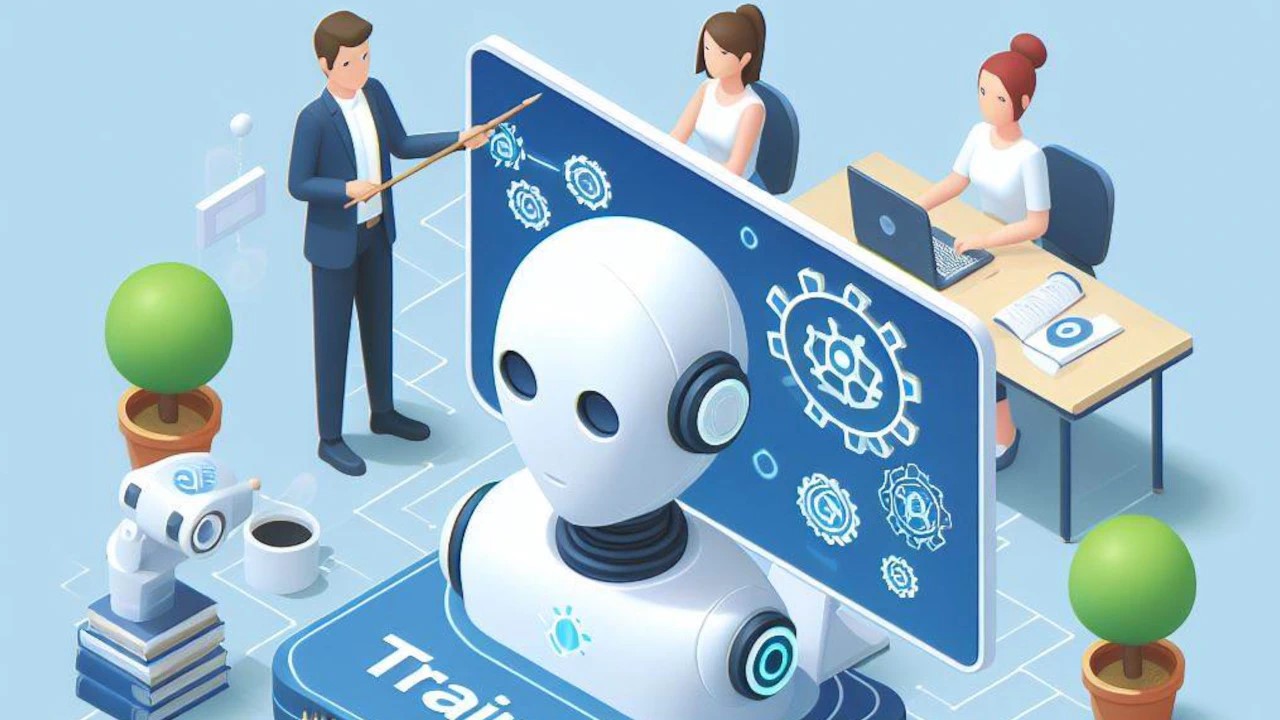
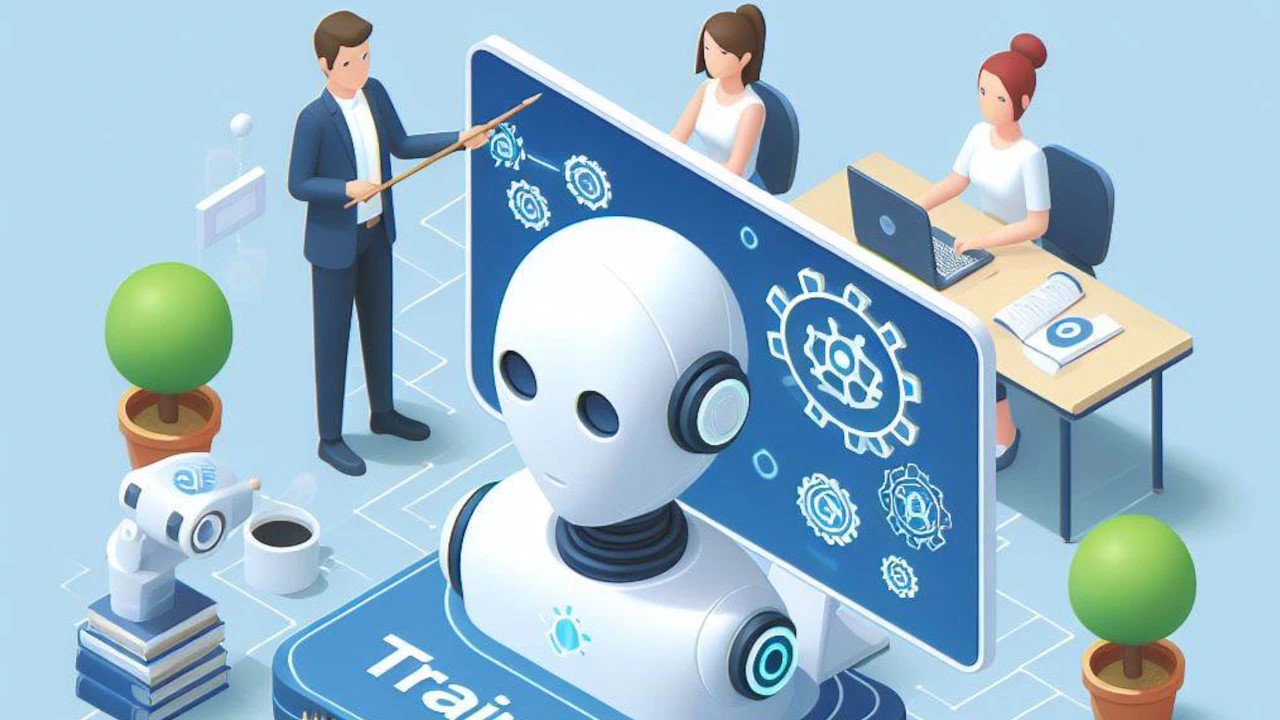
The AI learning models are advanced computer programs, which learn under a process known as AI model training- basically, teaching the machines to identify patterns and make thoughtful decisions. The premise behind AI Model Training is to train these models on large volumes of data so that they are able to learn relationships, trends, and become more accurate as time passes without being explicitly programmed.
Imagine it is like a teacher who is teaching a child to know which animals are what: you will present that child with thousands of pictures, correct them on their mistakes, and eventually the child will be able to recognize the animals that they have never seen before. The training process converts raw data into actionable intelligence, applied by algorithms that modify and refine themselves by feedback. To the job hunters and business workers, it is important that we comprehend AI training since this is where the magic takes place, here is how machines become proficient to do the tasks, which were initially done by human intelligence, be it writing a marketing copy or diagnosing a medical ailment.
The strength of AI training is that it is scalable; once a model is trained to be sufficiently trained, it can implement its acquired knowledge in innumerable situations and fields.
Types of AI Learning Models
AI Learning Models 2026: Your Complete Guide to Understanding AI in Business and Careers
Meta Description: Discover how AI learning models are transforming jobs and business in 2026, from GPT to machine learning—plus find AI careers on Workvix.
Table of Contents
- Introduction
- What Are AI Learning Models?
- Types of AI Learning Models
- Real-World Examples of AI Models in Action
- How AI Models Are Being Applied Across Industries
- Key Advantages of AI Learning Models
- Challenges and Limitations to Consider
- How AI Is Changing Jobs and Career Opportunities
- GPT and the Rise of Advanced AI Models
- Latest AI Trends to Watch in 2026
- Conclusion: Your Next Step in the AI Revolution
Introduction
It is hard to travel LinkedIn without hearing someone talk about AI learning models in the last week, or to attend a team meeting. And when you are not sure why all the hype? or better put, how it impacts your career, then you are at the right place.
The AI is no longer a buzzword, but it is transforming whole industries, providing new employment opportunities, and altering the skills that employers are frantically seeking. We are going to deconstruct all the information that you need to know about AI learning models in 2026, starting at the very beginning of the field up to the most recent trends and also demonstrate how platforms such as Workvix are bridging the gap between skilled professionals and the companies dominating the AI revolution.
What Are AI Learning Models?
AI learning models represent advanced computer programs which are developed in a process known as AI model training- in other words, training machines to perceive patterns and make intelligent choices. The AI training mechanism operates as models are exposed to large quantities of data through which they are able to learn the relationships, distinguish the trends, and become more accurate with time, without requiring step-by-step instructions.
Imagine it is training a child to recognize animals: you show the child thousands of pictures, correct his mistakes, and at length the child can recognize other animals which they have never seen before. Raw data is converted into actionable intelligence through the training process and the algorithms are adjusted and optimized on the feedback.
To job seekers, business professionals, it is important to understand AI training since this is the place where the magic takes place, this is where machines become able to perform as humans did previously, write marketing copy, diagnose medical conditions. The strength of AI training is that it is scalable; once an AI model is trained effectively, it can use its acquired knowledge in many and many more situations and sectors.
Types of AI Learning Models
Not all AI models are created equal, and understanding the different types of AI models—along with how AI model training differs for each—can help you appreciate their diverse applications in business and beyond. Each category requires unique training approaches, datasets, and methodologies to achieve optimal performance. The way you train a model fundamentally shapes what it can accomplish and how effectively it solves real-world problems. Here are the main categories:
Supervised Learning Models: These are the overachievers of the AI world—they learn from labeled data where the correct answers are already known. Think of a teacher grading homework; the model studies examples with correct answers and learns to predict outcomes for new, unseen data. Common applications include spam detection, credit scoring, and image recognition.
Unsupervised Learning Models: These independent learners work with unlabeled data, finding hidden patterns without guidance. They’re excellent for customer segmentation, market research, and identifying unusual patterns in data that humans might miss.
Reinforcement Learning Models: These are the gamers of AI—they learn through trial and error, receiving rewards for good decisions and penalties for bad ones. You’ll find them powering recommendation systems, robotics, and even autonomous vehicles.
Deep Learning Models: The rock stars of machine learning models, these use neural networks with multiple layers to process complex data like images, speech, and text. They’re behind facial recognition, voice assistants, and language translation tools that are becoming increasingly sophisticated in 2026.
Real-World Examples of AI Models in Action

Let’s make this concrete with some examples you might encounter daily. Netflix uses AI models to predict what shows you’ll binge-watch next, analyzing your viewing history and comparing it with millions of other users. Banks employ fraud detection models that can spot suspicious transactions in milliseconds, protecting your hard-earned money. In healthcare, AI models are assisting doctors by analyzing medical images and predicting patient outcomes—platforms like OpenAI ChatGPT Health are exploring how conversational AI can support medical consultations. Even your smartphone’s camera uses AI models to enhance photos, recognize faces, and suggest the perfect filter. These aren’t futuristic concepts; they’re transforming how businesses operate and compete right now.
How AI Models Are Being Applied Across Industries
The uses of AI Model Training are quite literally in every field that people can think of, and this opens up possibilities that allow individuals with the desire to enter the field to do so with great enthusiasm. In digital marketing, AI applications are used to study the behavior of consumers in order to tailor campaigns, maximize adverts, and forecast trends before they become viral. They have been applied to algorithmic trading, risk evaluation, and sleepless chatbots to serve customers by finance companies.
AI Models are used to help manufacturing facilities control quality, predictive maintenance, and supply chain optimization. Medical practitioners are training AI to enhance the precision of diagnosis and treatment plans. Retail businesses use recommendation engines to enhance sales and waste reduction by using inventory management systems. The common thread? Firms that pursue AI in business seek talent to realize that they know the technology and how to apply it in strategic aspects of the business- precisely the type of relationships you can find on Workvix .
Key Advantages of AI Model Training
W
hy why are all people very much excited about AI learning models? These advantages are persuasive and tangible. To begin with, they manage large volumes of data more quickly than any team of human beings could, finding value that leads to improved business decisions.
Two, they are operational around the clock and without breaks, which enhance the efficiency of their operations significantly and costs are lowered.
Third, they reduce human error in routine activities resulting in uniformity and quality.
Fourth, they can easily scale: a trained model can be used in thousands of different situations at the same time.
Fifth, they become better and better every time they are used since they operate more data, and thus your AI capabilities increase with the usage. To the job seekers, these benefits reflect into opportunities: employers require people who will be able to implement, manage, and optimize these systems and demand new skill sets.
Challenges and Limitations to Consider
Before we get too starry-eyed about AI Model Training, let’s talk about the real challenges. AI learning models require substantial amounts of quality data to function effectively, and gathering that data raises privacy concerns that businesses must navigate carefully. These models can perpetuate biases present in their training data, leading to unfair outcomes if not properly monitored—a growing concern for companies implementing best AI models for business. Visit Workvix to learn how to process and structure data purposefully to ensure effective AI Model Training.
They’re also “black boxes” in many cases, making it difficult to understand exactly how they reach certain decisions, which is problematic in regulated industries. Implementation costs can be steep, requiring significant investment in infrastructure, talent, and ongoing maintenance. Additionally, there’s a skills gap: companies struggle to find professionals who understand both AI technology and business strategy, creating friction in adoption. These challenges aren’t reasons to avoid AI, but they do highlight the importance of thoughtful implementation and the value of skilled professionals who can navigate these complexities.
How AI Model Training Is Changing Jobs and Career Opportunities

The 1 million dollar question is here: how will AI Model Training transform jobs in 2026. The story is not that easy as robots are stealing our job but it is more complex and, frankly, more interesting. Yes, the AI is automating such mundane human activities as data entry, weak customer service, and low-end content production. But it is also generating all new jobs: AI trainers to teach models, ethics officers to make sure they are used responsibly, integration experts to bridge AI systems to the current business processes, and strategists to find new uses of AI.
In 2026, employers desire AI skills such as critical thinking, creativity, emotional intelligence, and to work alongside AI tools and not compete with them. Digital marketers having knowledge of AI Model Training on jobs can use such tools to enhance their creativity and productivity, as opposed to substituting them. It is all about flexibility–professionals who will accept AI as a partner and not a rival will succeed in this new environment.
GPT and the Rise of Advanced AI Models
Let’s talk about the elephant in the room: GPT and other large language models that have dominated headlines. The foundation for GPT models is AI Model Training. GPT (Generative Pre-trained Transformer) represents a breakthrough in how machines understand and generate human language, capable of writing essays, answering complex questions, coding software, and even creating marketing content. These models are trained on vast amounts of text data and can perform tasks that seemed impossible just a few years ago. In 2026, businesses are integrating GPT-like models into customer service, content creation, research assistance, and strategic planning.
For digital marketers, these tools are game-changers—imagine having an AI assistant that can draft campaign copy, analyze competitor content, and suggest optimization strategies in seconds. The demand for professionals who can effectively prompt, manage, and integrate these advanced AI models is skyrocketing, making it an excellent time to develop these skills and explore opportunities on platforms connecting AI-savvy talent with forward-thinking employers.
Latest AI Trends to Watch in 2026
The current trends of AI 2026 are proving to be revolutionary and, to be honest, a little disbelievable- we are experiencing a technology that was considered the subject of science fiction not long ago, turning into the new reality. The use of multimodal AI, which can work seamlessly on text, images, audio, and video together are becoming a standard practice, and it is fundamentally transforming the way humans interact with technology and allowing more human-like, natural, and easier human-computer interactions.
Edge AI is also introducing machine learning on the devices instead of cloud servers, which enhances speed and privacy. As companies pay attention to environmental issues, AI becomes more energy-efficient and sustainable. Federated learning can enable models to be trained on several devices without concentrating sensitive data, which would address the issue of privacy. Visit Workvix to find out how Edge AI is transforming AI Model Training in the present day!
Explainable AI is rendering models more transparent, enabling businesses to appreciate and have confidence in their decisions. The most interesting one, perhaps, is the democratization of AI – the tools are made more accessible to non-technicals via no-code systems and user-friendly interfaces. To job seekers, these trends are an indicator of growing opportunities in many other industries, not only the traditional tech firms.
Conclusion: Your Next Step in the AI Revolution

It has been a long way to go, but now we know about the entire concept of AI model training, the various types of AI models, and how they were used in practice and how they are transforming the profession and making new opportunities never seen by anyone before in any industry imaginable.
The key takeaway? This is not a far-off and futuristic idea that AI model training is only available to tech giants and PhD-level data scientists. It is currently being experienced and is revolutionising the way business is conducted, development of products, and provision of services. What is much more important though, is that you can actively participate in it, either as a job seeker who wants to upskill and place themselves in the AI-driven economy, or as an employer who wants to recruit professionals with talent to push your AI-driven projects and make your company competitive.
The AI revolution does not wait one more, the issue is not whether to start using it or not, but how quickly you will be able to respond and to use the opportunities that the AI revolution offers.
Want to join the revolution of AI Model Training? Workvix connects inspirees with leading-innovation companies; that is, in case you are a professional wanting to capitalize on your AI talent, or you are interested in career opportunities in the field of AI. Find our most recent vacancies with roles in AI Model training, machine learning implementation, data science, and AI-driven digital marketing.
On the part of employers, The AI Model Training talent market is a competitive one. Post your vacancies in Workvix and meet the professionals with the AI capabilities your company will require to remain competitive in 2026 and beyond. From machine learning engineers to AI-conscious marketers, whatever talent you require is actively pursuing–ensure that they get to you.
The smart, responsive, and AI Model Training future of work is intelligent. You should not be a spectator but rather a participant by identifying opportunities and situating yourself or your company in a good standing in the AI era.
Today, visit Workvix and make the next step in your AI journey.