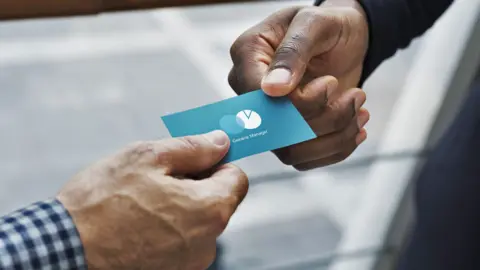

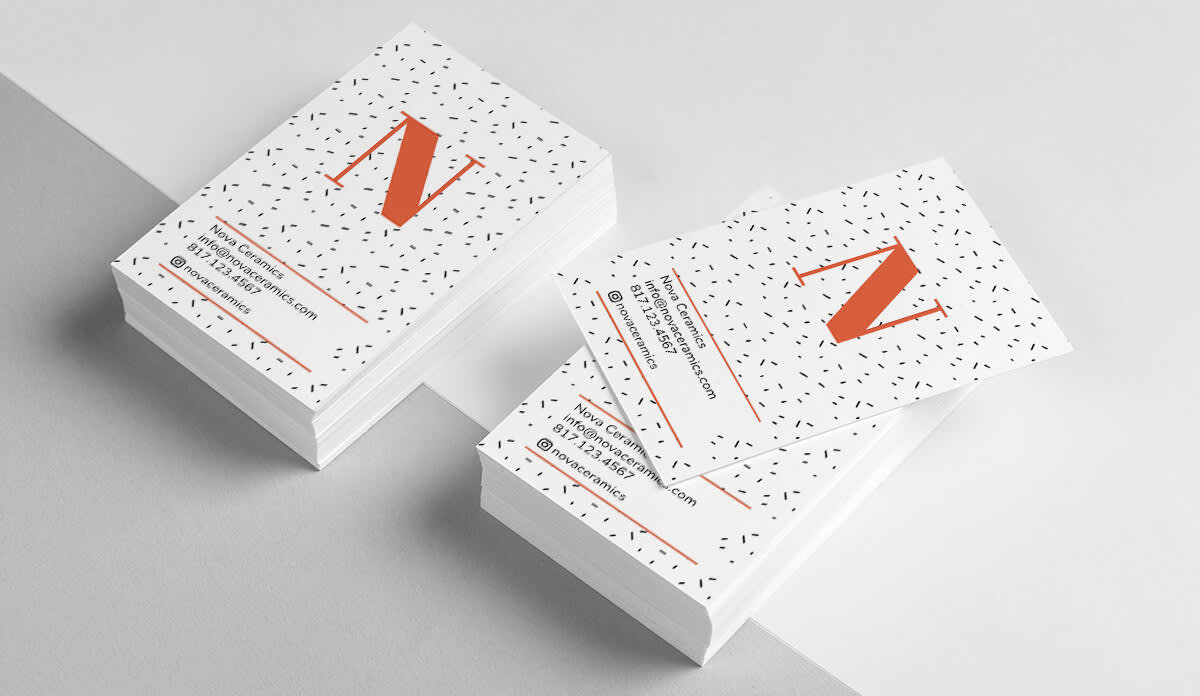
Think about this: You’re in the middle of a networking function, like a pro working the room as you should, when a person requests your business card. You give them something that you considered to be a chic face of your brand, but their interest pops like a pricked balloon. They look over your card and say something civil about keeping in touch, and you can see it disappear to their kitchen junk drawer with the expired coupons and keys of the unknown.
Hello and welcome to the vicious world of business card psychology where it only takes a blink of an eye to make an impression, and to get a second opportunity is about as common as finding socks that match on laundry day. Your business card is not merely a scrap of card and your address, it’s your brand doing battle with all the other brand names in the court of professional opinion.
The Great Digital Death Prediction (That Never Happened)
Don’t you remember when people said that business cards will soon become extinct like flip phones? “It’s all going to be digital!” they pronounced, as they waved their smartphones like magic wands that would render physical networking useless in one way or another. Well, plot twist: the business card hasn’t disappeared and still matters, that a business card can make or ruin professional relationships.
This is because in the hyper-digitalized world, physical objects have paradoxically obtained a power over them. A good business card also acts as a memory anchor when all other things are virtual, temporary and can soon be forgotten. It’s the business version of a firm handshake – it’s straightforward, direct and, well, really hard to dissimulate online.
The finest business cards produce what psychologists refer to as a tactile memory, where people not only recall the appearance of your card but also the feel of it in their hands. This in-person contact generates better neural networks than online transactions, so that more people will recall your brand when an opportunity presents itself.
The Template Tragedy (A Horror Story in Arial Font)
Let’s discuss the elephant in the networking room: template-based business cards. You know the ones—they promise “professional results in minutes” and deliver the visual equivalent of elevator music. Using a generic template for your business card is like wearing a “Hello, My Name Is” sticker to a board meeting—technically functional, but hardly memorable.
The most tragic business card failures happen when professionals treat their cards like afterthoughts. They’re thinking that they’ll just type out their info on a white background with a black font, apparently completely unknown to them that those cards will be sent to instant exile in the junk drawer. In the meantime, their rivals are spending on cards that spark conversations, leave a longer impression and create a story.
A professional business card design knows that a millimeter of space here and a millimeter of space there makes up part of your brand story. The best designers do not simply organize contact information, they construct visual experiences that speak of personality, professionalism and offer value propositions without saying a word.
The Psychology of Paper Persuasion
Modern business card design operates on multiple psychological levels simultaneously. Color choices trigger subconscious emotional responses. Typography communicates personality traits. Paper quality whispers messages about attention to detail and investment in quality.
The best ones establish what the marketing gurus refer to as “cognitive resonance”, where the brain of the recipient associates the visual factor with favorable factors about your ability and professionalism. It’s the equivalent of having a mini brand ambassador who’s available 24/7, sits in a wallet and reminds someone every once in a while that you exist.
The Texture Revolution
In our increasingly digital world, texture has become a powerful differentiator. An interestingly textured card, be it slight embossing, unusual paper stock, or interesting finishes brings sensory impact that no printing can accomplish.
It’s not about creating your flashiness because it’s cool to be flashy; it’s about making sure your contact with them is memorable and helps to prove that your brand cares about quality and details. When people get the feel of the difference in the texture of your card, they’ll be physically experiencing your brand values.
The Stack Test Reality
Here’s the ultimate business card challenge: the stack test. Most professionals go home after networking events with their pockets laden with business cards that are forthwith sorted into three categories: “most definitely follow up”, “perhaps in the event I find time”, and “who was that guy again?” The design of the card decides on the pile in which it’s placed.
Cards that pass the stack test have clear visual hierarchy, memorable design elements, and professional quality that suggests the person behind them is equally professional. They create positive first impressions that influence all future interactions.
The Investment Perspective
High-quality business card design is not a cost, it’s an investment into the networking that returns with interest. Cards that are actually designed have higher call backs, better first impression and you’ll be perceived as a quality and detail-oriented person.
Ready to ensure your business card opens doors instead of junk drawers? Explore the professional business card design services at Workvix.com and discover how strategic design can transform your networking effectiveness.
Due to the competitive business world we live in today, your card is no longer a business card, but rather a statement about yourself and what you represent.