

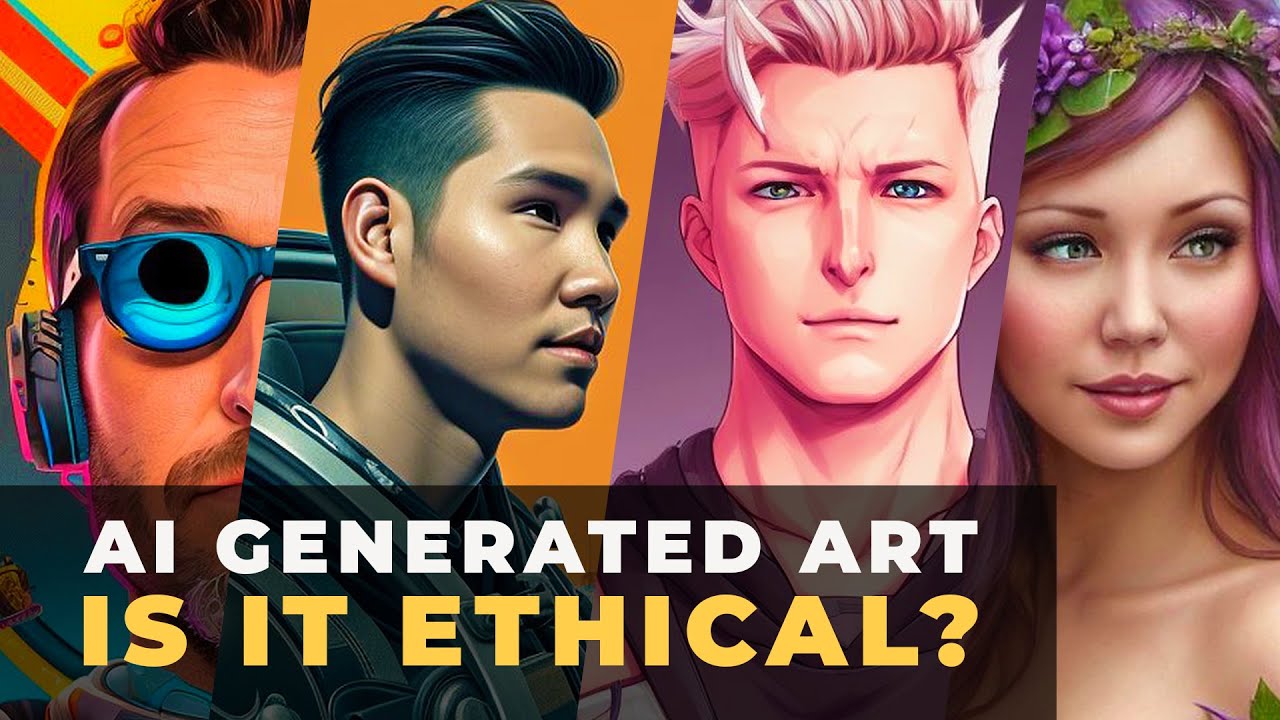
Motivating Reasons that Ethical AI Art is Changing Creativity – The Workvix.com Insight.
Learn how ethical AIs art is transforming the creative sector in a transparent, innovative, and responsible way. Get informed on how companies, artists, and brands can use AI in an ethical way with knowledgeable information on Workvix.com.
Introduction: Why Ethical AI Art is necessary?
Artificial Intelligence (AI) is not a matter of the future anymore, but rather of the present that is taking the shape of creating, sharing, and consuming art. With AI-generated images overflowing into social media, design platforms, and galleries, the same question must be asked every time: How do we make sure this art is produced and used in an ethical manner?
Ethical AI art is not a buzzword, it is the movement towards responsible creativity respecting human artists, protecting originality, and being transparent. This article by Workvix.com discusses the importance of ethical AI art, how companies can incorporate it in a responsible way and why it is the future of design.
What is Ethical AI Art?
Ethical AI art can be described as the type of digital art that is created using artificial intelligence but is accompanied by explicit ethical principles. The following guidelines are usually involved:
- Transparency: Publicizing the AI-generated art is.
- Consent: Data sets that observe copyright and artist authorization.
- Responsibility: Becoming responsible to the AI models results.
- Fair Use: It should not be plagiarism or exploitation of the work of artists.
Adhering to these values, ethical AI art can foster confidence between creators, audiences, and businesses that make use of AI to produce content.
Why Ethical AI Art Matters in 2025
The rate of embrace of AI is accelerating across the industries – marketing to film production. Nevertheless, the fast development has brought about controversies concerning copyright and data scraping and job replacement.
By adopting ethical AI art, all these issues are alleviated and a balanced relationship between innovation and artistic integrity is maintained. Here’s why it’s crucial today:
- Preserves the Rights of Artists: prevents the exploitation of distinctive styles of living artists.
- Cultivates Consumer Confidence: Audiences like a brand that is candid with its process of creative thinking.
- Minimizes Legal risks: It discourages copyright infringement lawsuits.
- Sustainable Creativity: AI developers are encouraged to create models that are more focused on fairness.
In the case of Workvix.com, we do not think that ethical practices are simply good in society, but also in business development and brand retention in the long run.
How to Create Ethical AI Art
As a business, designer or marketer, to take a responsible stance towards AI creativity, you can do the following steps:
Step 1 Select Open AI Tools.
Choose the sources that report their data on training and honor the rights of artists.
Step 2: Credit Human Influence
In working with AI tools, praise technology and any human actors.
Step 3: Refine and Customize
Do not simply post uncooked AI results. Fortify originality and prevent unintentional duplication by adding human creativity.
Step 4: Keep in touch with Legal Rules.
Keep in line with copyright development and industry standards, to make sure your ethical AI art is not violating any of them.
To obtain more organized information regarding responsible use of technology, visit DissertationHive.com that provides great research materials on ethics and innovation.
Examples of Ethical AI Art that people use.
Responsible AI-generated creativity promises a lot of exciting opportunities in industries. Here are real-world examples:
Branding and Marketing
Ethical AI art is employed to give companies the opportunity to produce ad campaigns that are more diverse and more inclusive without stealing styles of actual artists.
Education and Research
AI tools are utilized by teachers and researchers to design ethically sourced illustrations to use in textbooks, research posters and e-learning modules. StudyCreek.com is a scholarly tutor to students with projects that demand a lot of design work.
Interior and Fashion Design
Prototyping, designers create mood boards and visual concept prototypes using AI tools in an ethical way that accelerates the prototype stage.
Entertainment Industry
Filmmakers and game developers use ethical AI art concept art, character design and storyboard generation, without violating licensing.
Handling Copyright and Ethical Issues.
Copyright is one of the most burning topics of AI creativity. Most generative AI models are the ones that have been trained on publicly accessible images, and some of them might be copyrighted. This raises such questions as: Who is the owner of the final product? and Does AI violate the intellectual property of a writer?
Some important considerations to businesses are:
- Ownership: Find out, does your AI tool provide you with complete right to use and sell outputs?
- crediting: When the work is AI assisted, it should be clearly disclosed.
- Fair Pay: Incentive programs to compensate artists in the case when their work is utilized in training sets.
The tactic enhances the basis of ethical AI art and assists brands to be credible.
Best Practices of Businesses utilizing AI Art.
The following best practices will ensure your strategy is both ethical and professional in case your company is going to implement AI art tools:
- Introduce explicit Policies: Establish internal policies about AI utilized in design projects.
- Make Diversity in Training Data a priority: Deploy AI models that minimize bias and reflect more than one cultural view.
- Accuracy in Audit OUtputs:Check generated art against unintentional stereotypes or offensive content.
- Educate Your Team: Educate the employees about responsible usage of AI in order to prevent the negative reputation.
Workvix.com provides information to aid businesses interested in more experience on how to integrate AI ethical strategies into creative processes.

The Future of Ethical AI Art
The future will add to more transparency, new watermarking tools to recognize AI outputs, and partnership between AI developers and human artists. This means that ethical AI art will be beneficial to a company that is among the first to implement AI policies by the governments.
We are likely to see:
- AI-Human Collaborations: Artists who work with AI as collaborators and not rivals.
- Managed Data Education: Even greater focus on licensed, compensated data.
- Blockchain Check-up: To demonstrate the authenticity and originality of AI outputs.
This development will guarantee that artificial intelligence will enhance human imagination and does not violate the rights of artists across the globe.
Takeaway: Build the Change with the Art of Ethical AI.
The AI creativity debate is no longer whether we ought to use AI, it is how we use it in a responsible manner. Ethical artificial intelligence art helps bridge the divide between technological innovation and ethical responsibility whereby creators and businesses can be innovative without sacrificing morals.
Ready to take action? Go to workvix.com to get guides, tutorials, and expert solution on how to apply ethical AI strategies to your business. To get more resources on research and academic ethics, visit DissertationHive.com and StudyCreek.com.