

Strong Ways meta data for content creationIncreases Visibility on Workvix.
In the modern competitive digital world, all pieces of content are competing to be visible, clicked, and engaged. Although most creators are so much concerned with headlines, keywords and images, meta data is one of the most important aspects of creating content which is usually neglected. This is one of the behind-the-scenes giants that decide how your content is indexed by search engines and how your visitors will encounter it before clicking.
At Workvix.com we think meta data is not only technical but strategic. When put to good use, it can change the way your content performs, appeals, and turns away a visitor. In this guide, we shall discover seven effective content creation meta dat a boosts digital strategies, and what you can do now to improve your digital strategy.
The meta data for content creation role.
It is important to define what we mean by meta data for content creation before moving on to details.
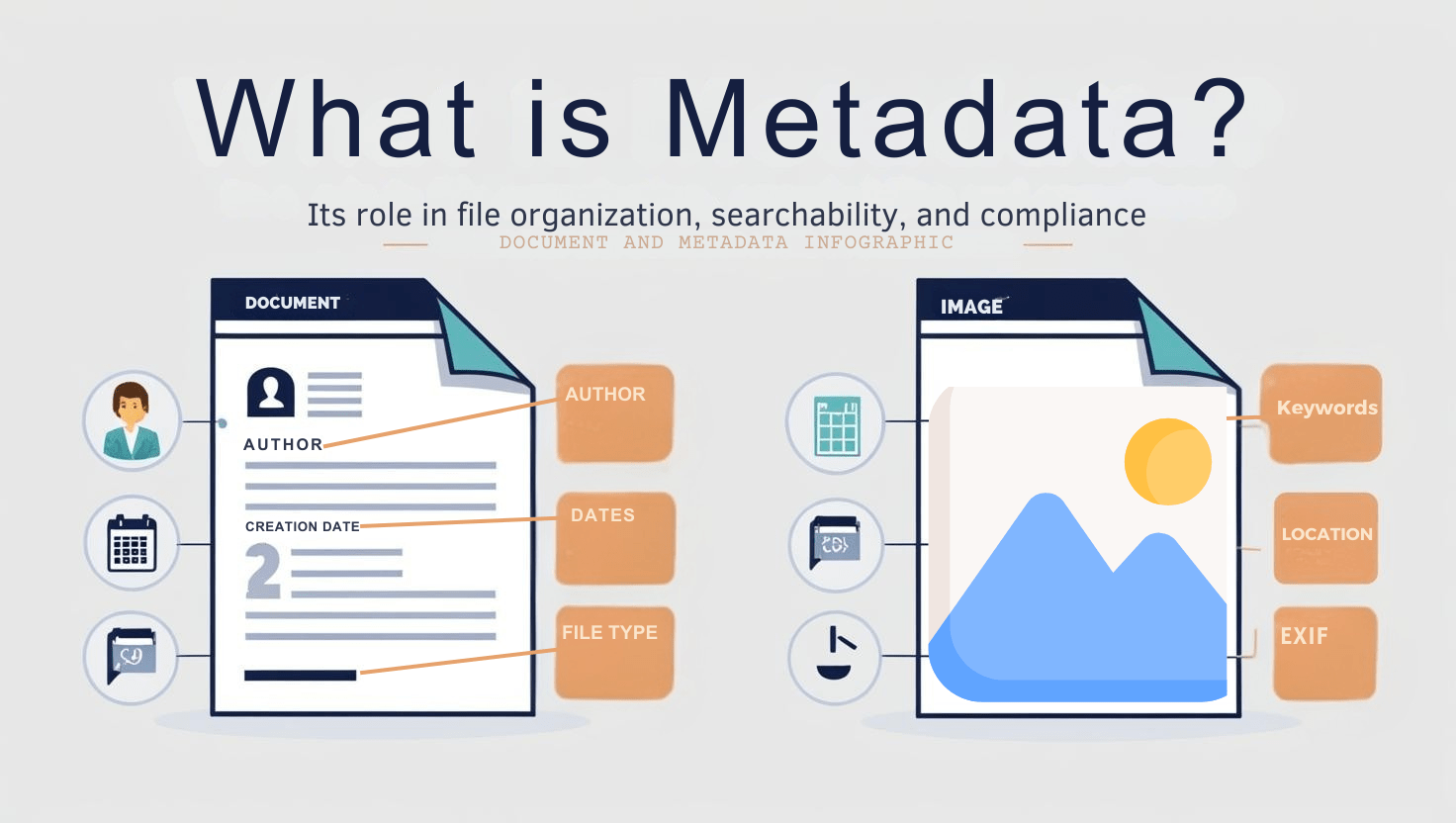
Meta data is explanatory data that is carried within content and informs the search engines and users about what is in the page. It includes elements such as:
- Meta titles
- Meta descriptions
- Alt text for images
- Header tags (H1, H2, H3)
Structured information ( schema markup )Fundamentally, meta data is the elevator pitch of your content. Even good writing will not be noticed without it.
Why Meta Data for Content Creation is the driving force in Search Engine Optimization?
Search engines such as Google rely on meta data to comprehend and prioritise your content. Efficiently optimized title and description of the meta content enhances the click-through rate (CTR) and this is an indicator to the algorithms that your page is the relevant one.
To use an example, a blog article on meta data writing with a catchy headline such as Learn how to maximize the visibility of your content with actionable meta data strategies that improve your SEO performance will have far more clicks than an ambiguous or absent description.
At Workvix.com, we incorporate keyword-laden but user friendly meta data which balances technical precision and ease of readability.
Meta Data types that are most important.
Meta data does not all have an equal weight. In applying meta data to the creation of content, look at the following key types:
a. Meta Titles
Must be under 60 characters.
Add the key word in a natural way.
Provide an obvious advantage (e.g., “Increase Rankings through Effective Meta Data to create content).
b. Meta Descriptions
Optimal length: 150-160 characters.
Overview value proposition.
Add emotional triggers and CTAs.
c. Image Alt Text
Enhances the usability of the visually impaired.
Helps images are ranked in Google Image Search.
d. Header Tags
Organize the material to read.
Let search engines learn topical hierarchy.
e. Schema Markup
Contributes high level context (reviews, FAQs, events).
Rich snippets.
Both forms make you more prominent and your brand a source of authority.
Best Practices to write meta data for content creation.
- Location of the Keyword: Place the target keyword in titles, descriptions, and headers, but not to stuff.
- Audience-Centric Language: write to humans, then algorithms.
- Stability Page to Page: Be consistent with tone and style to brand.
- Incessant Testing: Test A/B with meta titles and descriptions.
- Integration with Analytics: Track impressions, CTRs, and rankings with tools.
Common Mistakes to Avoid
- Duplicate Meta Tags: Confusion to search engines.
- Excessive Keyword use: Appears like spam and negatively affects rankings.
- Too Long or Too Short Titles: Either truncated in SERP or does not tell.
- Not filling in Image Alt Text: Lost SEO.
- Neglect: Bans visibility in rich results.
The ways in which Meta Data for content creation enhances user experience.
- An obvious meta title tells the reader he/she is tapping the correct link.
- A convincing description enhances credibility, CTR.
- Alt text will be all-inclusive and they will suit the screen reader technology.
Metadata Maximization Tools.
- Yoast SEO: works well with WordPress optimisation.
- SEMRush / Ahrefs: examine keywords and competitor meta strategy.
- Google search console: Monitor impressions and CTR.
- Screaming Frog SEO Spider: Audit meta tags level.
