
Imagine this: You’re attending a networking event with a bunch of people in professional attire except that you’re in a tuxedo jacket, basketball shorts, flip-flops and a cowboy hat. They all go quiet and look in awe. Not that you look amazing but that you look like you got dressed up in the dark during an earthquake at a costume store.
Now imagine your brand doing the exact same thing.
Your logo screams “serious financial institution,” your website whispers “fun neighborhood café,” and your business cards are having a full-blown existential crisis somewhere in Comic Sans territory. Welcome to the wonderful world of brand identity disorder—a condition that affects approximately 87.3% of businesses worldwide. (Okay, I made that statistic up, but look around. We both know it’s probably accurate.)
The Great Brand Identity Breakdown
Unfortunately, most businesses view their brand styling like they view their sock drawer – as long as it gets the job done, who cares if it doesn’t match? But errant socks are just a small stylistic mistake while mismatched branding is like wearing a clown suit to a job interview and being baffled as to why you’re not taken seriously.
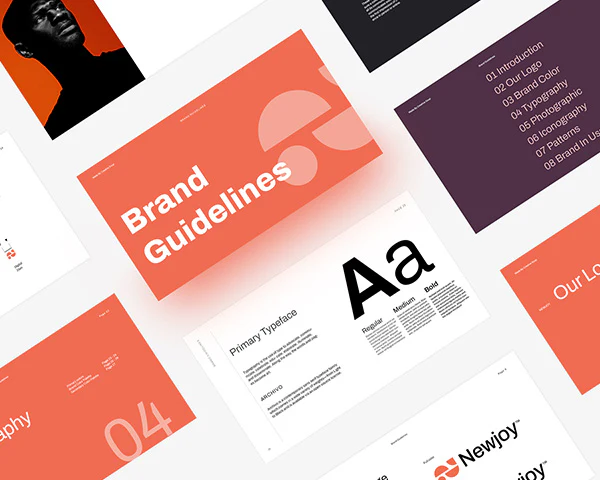
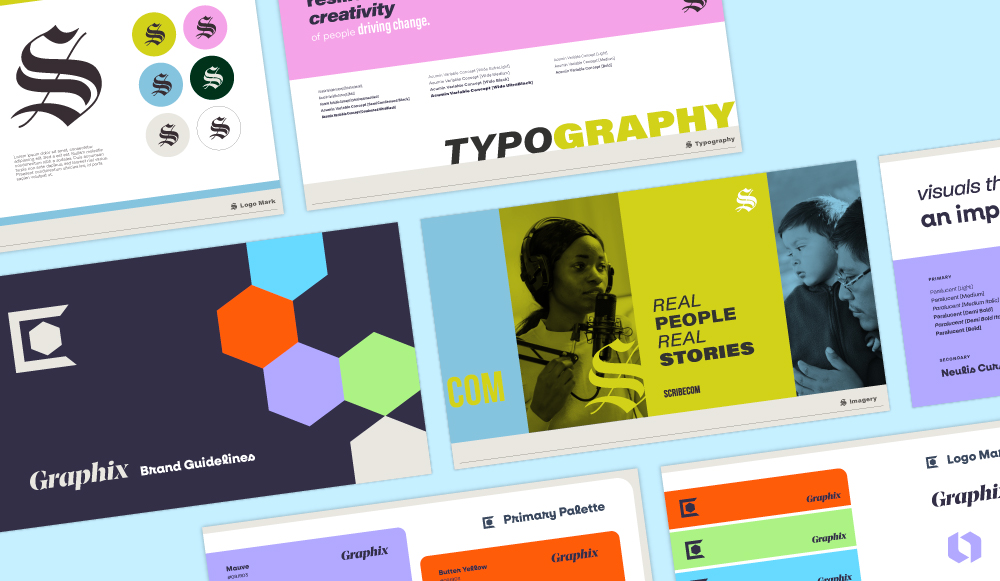
Your brand isn’t some nice image that you place on some business cards and that’s it. It’s the face of your business, its expressions, its whole attitude all in one holistic bundle. When done well it’s the difference between being remembered to tell others that it was the company with the good service rather than forgotten as easily as yesterday lunch’s leftover sushi.
When Brands Go Rogue
We’ve all seen them—the businesses that look like they were designed by committee during a sugar crash. You know the ones: their logo was clearly created in 2003 by someone’s nephew who “knows computers,” their color scheme appears to have been chosen by throwing darts at a rainbow, and their fonts look like they were selected via a complex system involving dice and sheer panic.
These businesses ponder why they aren’t able to build trust in customers. In the meantime, their rivals are out in the world looking business-like, professional and entirely polished, as though they just walked off the page of a business magazine.
The harsh reality? In today’s market, you get about 3.7 seconds to make a good first impression before potential customers scroll past you to find someone who looks like they actually know what they’re doing.
The Psychology of Looking Professional
Here’s something interesting: humans are basically walking judgment machines. It’s in our nature; it’s coded in our brains since our caveman times that the perception of danger or safety through visual assessment was the aspect of survival, literally. “How nice is this saber-toothed tiger?” Spoiler alert: most likely not.
We no longer worry about the dangers of prehistoric predators but we still form quick judgments about other businesses based on what we’re seeing. A unified, business-like brand communicates to the subconscious minds of the customers: “These folks are on their game. They’re unlikely to botch my choices/project/life/order.”
On the other hand, incoherent branding activates our inner alarms. “Not everything’s in order here. These individuals aren’t even able to match their own colors. Should I really trust them with my money?”
The Magic of Strategic Brand Styling
Professional brand styling isn’t merely about prettifying stuff, although that is indeed some part of it. It’s all about making a visual language talk to the hearts, minds and wallets of your ideal customers.
Think of it like you’re translating your business personality into a form that busy distracted humans can read quickly. Your brand will act as a shortcut because it communicates your entire story and doesn’t need the consumer to read your entire company history.
The most effective brand styling induces what psychologists term as “cognitive ease”: the comfortable feeling when things simply all make sense. What you put into your logo, color, fonts and messaging will lend like a symphony that’s beautifully orchestrated, but rather than musical notes, they sell sweet money.
The Professional Advantage
This is where professional brand styling services come into play. Professional designers don’t only possess nice esoteric software and extreme views concerning serif fonts (though both of those are a plus). They know the psychology of subtle color selection, the tricks of typography, they know the fine art of making your brand appear both friendly and commanding.
A good brand stylist acts just like a translator, but one who speaks the languages of business owner vision and customer expectation fluently. They’re able to make sense of your brilliant ideas and render them in a visual language that real people in the real world actually respond to.
The Bottom Line (In Beautiful, Coordinated Colors)
Your brand is not a piece of furniture that you can take away or hide. It is something that is working even in case you are not managing it. The question is, what does it tell? Does it answer the question: professional, reliable, and worth the value of your time and money?
Whether you believe your brand’s in the middle of a branding identity crisis or not, you should call in the specialists. Good brand styling does more than appear good; it conveys a message, instills immediate trust and draws browsers into loyal customers.
Ready to give your brand the styling intervention it desperately needs? Check out Workvix.com and discover what happens when your brand finally gets its act together. Your business (and your sanity) will thank you.