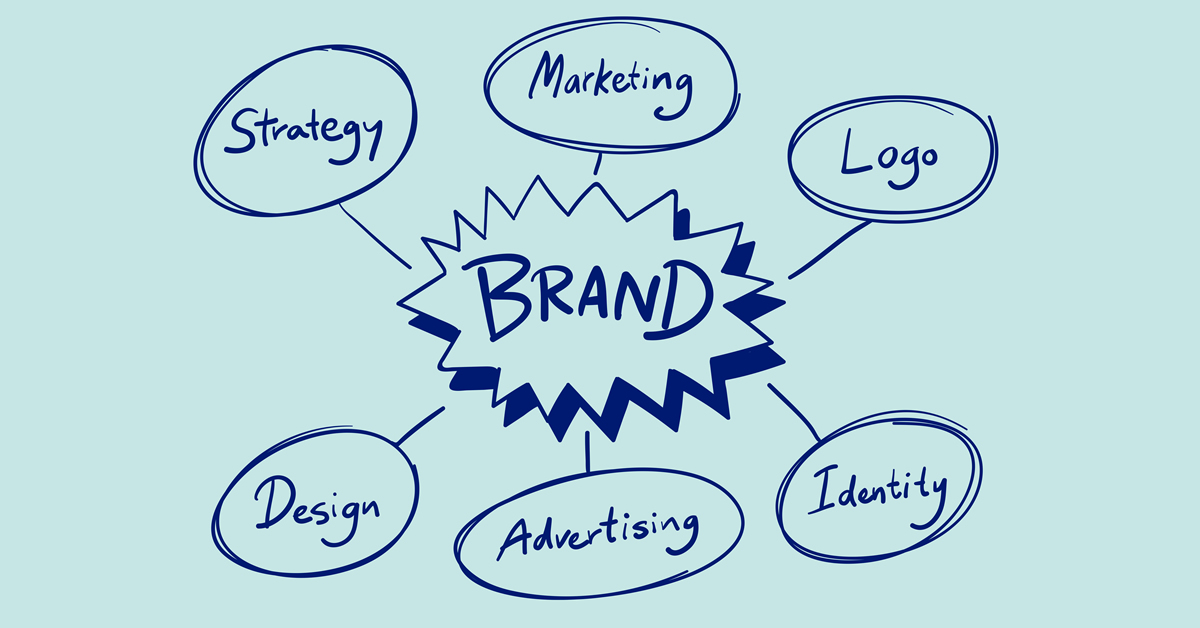

Just imagine: You’ve attended a busy networking event, and you’re frantically trying to see your business out amongst the hoard of competitors. But wait—where did it go? Is that it over there, hiding behind that generic stock photo? Or maybe it’s camouflaged behind that logo that looks suspiciously like it came free with a 2007 software package?
Congratulations! Your brand has mastered the ancient art of visual invisibility. Unfortunately, in the business world, being a master of disguise isn’t quite the superpower you’d hope it would be.
While your competitors are strutting around the marketplace in eye-catching, memorable visual ensembles, your brand is apparently attending the same party wearing the business equivalent of camouflage pajamas. Sure, it’s technically clothing, but good luck getting anyone’s attention.
The Great Visual Identity Crisis
Let’s address the elephant in the room (and no, we’re not talking about that clip art elephant you’ve been using in your presentations since 2015). Most businesses treat visual branding like they treat their spare change—as an afterthought that occasionally gets attention when there’s absolutely nothing else to spend money on.
But here’s the thing: in our hyperconnected, attention-deficit world, you’ve got roughly 2.7 seconds to make a visual impression before potential customers scroll past you faster than they skip ads on YouTube. That’s less time than it takes to say “synergistic solutions for optimized paradigms”—which, by the way, please stop saying that.
Your visual branding is not merely ornamental. It’s the first (and in many cases only) opportunity your business has to explain who you are, what you believe in, and why people should care.. No pressure, right?
When Visuals Go Rogue
We’ve all seen them—the businesses that look like they let a committee of colorblind robots design their brand identity during a power outage. Their logo was apparently done in Microsoft Paint by a person in oven mitts, their palette resembles what happens when they throw darts at a paint store, and their type is grammatically correct in only the most superficial way.
These companies are asking themselves the question “why am I not getting the recognition that I should be?” Meanwhile, their competitor who is visually-savvy is out there looking as if they’ve just stepped off the cover of Entrepreneur Magazine and are effortlessly attracting customers with their polished, professional image.
The grim reality? In the age of visual content, appearing amateurish not only damages your reputation but also directly turns away customers who assume that when you’re too lazy to look professional enough to get their business, they won’t pay attention to you.
The Psychology of Pretty (And Why It Matters)
Here’s something interesting: the human brains are very fancy judgment engines who, by coincidence, feel strongly about fonts and color combinations. It’s something we can’t help; we’re programmed to react to visual stimuli on a moment-to-moment basis.
When a person sees your brand visually their brain kicks into calculation mode: “Do these guys look trustworthy? Professional? As though they know what they are doing? Or do they have their business set up in a basement while wearing mismatched socks?”
Good brand names will create what psychologists refer to as “cognitive ease”, which is that warm feeling of having everything fall into place in a visual sense. It’s a well-played symphony that uses your colors, fonts, images and layout, but this time not to produce beautiful music but to create a nice first impression.
The Strategic Art of Standing Out
Visual branding among professionals isn’t about making things pretty (pretty definitely helps, though). It’s the art of developing a visual language that communicates with the subconscious mind of your ideal customers and says, “This is precisely what you need.”
Great visual branding will make people instantly recognise and relate to it on an emotional level. Consider the brands you like; you can recognize their visual identity even at a crowded market. That isn’t by chance, that is strategic design.
Creative visual branding is based on considering all the factors such as the psychology of colors (yes, colors have moods) to the messaging implied by font choice. It’s as though you were a visual translator between the language of the business owner and the customer expectations.
The Professional Advantage
This is where employing the services of creative visual branding experts comes in very handy. Professional designers do not merely possess posh software and stupid ideas about serif fonts (though both are useful). They know the science of visual communication, psychology of color and type and art of making it all blend together.
A good visual branding partner is similar to owning a personal stylist to your entire business. They steal all your fabulous ideas and make these into something a real person in the real world can actually understand.
The Bottom Line (In Beautiful, Coordinated Visuals)
Your brand is vying for attention in an ever crowded market. The question is: are your visuals making you different, or are your visuals making you fit in?
When you suspect a case of unwanted visual hide-and-seek with your brand, it’s time to call in the proven professionals. Good visual branding isn’t just about what looks good; it’s about communicating, cultivating trust immediately and could turn browsers into big fans of what you’re offering.
Ready to stop hiding and start standing out? Check out Workvix.com and discover what happens when your brand finally gets the visual makeover it deserves. Your business (and your bottom line) will thank you.