

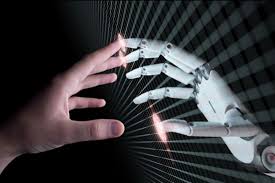
AI in Everyday Life is no longer something of the future—it is here, actively transforming how we live, work, and interact on a daily basis. From smart assistants to healthcare innovations, AI blends seamlessly into our routines, often in ways we hardly notice. For both businesses and individuals, understanding how AI influences day-to-day life is essential to staying ahead in a rapidly evolving digital environment. Within the frame of this article, we are going to discuss 8 AI-potent examples of making use AI in everyday life showing how AI makes a change in industries, increases efficiency, and makes our everyday life better.
1. Voice Technology and Smart Assistants: AI in Everyday Life
Virtual assistants, such as Siri, Alexa, and Google Assistant, are one of the most apparent examples of AI in the daily life of people. These digital assistants use natural language processing (NLP) and machine learning technology to interpret the voice orders and perform certain actions, and even anticipate the needs of the user.
Smart home devices, the ability to respond to questions, and create reminders and much more are all features of AI-powered assistants redefining convenience. To businesses, this offers them the room to include voice-based customer assistance and AI chatbots to maximize user interaction.
2. Individual Recommendations in Shops: AI in Everyday Life
Simply put, AI is now present in your life, even if you wanted to buy a product on Amazon or watch a new movie on Netflix; chances are you have seen it in action already. Recommendation engines study user browsing history, behavior and pattern to give the user personal suggestions.
This type of AI-driven personalization does not only increase customer experience and satisfaction, but also leads to the increase of sales and retention. To e-commerce companies, the implementation of AI may result in a greater number of conversions and improved customer retention.
We assist businesses to ensure that they incorporate AI-driven solutions in their business to remain competitive in the digital economy at Workvix.com.
3. Artificial intelligence in healthcare: Diagnostics and treatment
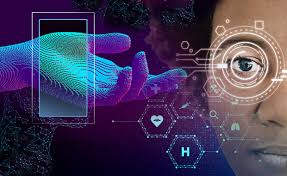
AI is transforming the medical sphere because it helps detect the disease at its initial stages, treat patients individually, and make predictions. The accuracy and speeds of the analysis with machine learning models can analyze medical images, lab reports, and patient histories more accurately and faster than humans.
Examples include:
AI algorithms detecting cancer at early stages.
Predictive analytics anticipating patient complications.
ARIs who act as a virtual health assistant available to the patient 24/7.
AI integration has also allowed healthcare professionals to be better able to make more accurate and timely decisions in many cases saving lives and saving costs.
4. Banking and Finance Fraud Detection
Banking organizations are using AI to stay ahead in terms of detecting fraudulent transactions. Millions of transactions are monitored with the help of AI systems that allow identifying strange patterns that could be a symptom of fraud.
To give an example, in case your credit card is used in two countries within a few minutes, AI would activate alerts to stop any own-priority orders. In addition to fraud detection, AI also contributes to rob-advisors, that allow personalized investment covered in terms of each customer.
This will ensure that financial services are more safe, reachable and intimate.
5. IoT Devices and Smart Homes

AI has made smart homes a reality.
Internet of Things (IoT), everything from intelligent thermostats such as Nest to A.I. security cameras is smoothly being incorporated into everyday life. Users can be familiarized using these devices as they study habits, energy efficiency, and security in the home.
Just imagine a house that will determine the mode of lighting, cooling, and entertainment according to your liking- all via AI. This has created business opportunities of home automation, development of IoT products, and energy solutions based on AI.
6. AI in Education Personalized Learning
Education ceased being a blanket-type. AI is transforming the way students learn including teaching personalized content, adaptive tests, automatic tutoring systems. Such platforms as Duolingo apply AI to streamline the lessons based on the strengths and weaknesses of a learner.
Teachers are equally advantaged to have an AI system that will automate the grading, feedback, and learning gaps. This makes education more practical and personal, ready the user able to fit an AI-based workforce.
7. AI in Transportation and Navigation
Regardless of whether you resort to Google Maps to track the traffic situation or use ride-sharing services such as Uber, AI is essential in optimizing the routes, estimating the time required to get to your destination, and enhancing the level of safety.
Moreover, autonomous vehicles are one of the hottest topics about AI in Everyday Life. Machine learning and computer vision strategies aid these vehicles in traveling on roads, detecting objects in their path, and significantly reducing the aspect of human error.
Such technology will also transform logistics, supply chain and public transit networks as well as personal travel.
8. AI in Entertainment and Creativity
Even the entertainment industry is being revolutionized by AI. AI is broadening the creative potential and it is doing so in every aspect: AI-generated music and art, deepfake technology, content recommendation systems to mention but a few.
For example:
Spotify recommends playlists with the help of AI.
Artificial intelligence-based editing tools assist video creators and filmmakers.
AI is used in video games by developers to produce realistic simulation and dynamic play.
This makes creativity more democratized and available to everyone by providing everybody with professional-level tools.
The importance of AI in every day life to the business and a professional
Incorporation of AI into daily life goes beyond being convenient, it is a business necessity. The benefit of AI is that companies adopting it can enjoy:
Automation and efficiency when it comes to competitive advantage.
Improved customer experiences through personalization.
Efficiencies in terms of cost due to predictive analytics and more intelligent resource allocation.
Scalable expansion through the incorporation of decision-making systems that are AI-powered.
Reskilling and adopting AI tools enables new skills in professionals who make themselves more valuable in the future of work.
Based at Workvix.com we help the business to use AI solutions and improve productivity, reach the broader market with us and also to future proof their careers.
Conclusion
The fact of using AI in people lives is not a distant future anymore. Whether it is personalized shopping, health care diagnostics, intelligent homes, or artificial intelligence in the transport sector, these are changing our habits in a way we had not expected a decade ago.
In the case of businesses and professionals, the point of reference is obvious: AI cannot be avoided, it is a must. By people accepting it, they will flourish; failing to change will result in them lagging behind.
Organizations and individuals that know how to apply AI concepts to daily routines truly belong to the future. As you make the effort to keep up in this digital transition, begin researching the opportunities that AI in everyday life will define in your career and enterprise, as highlighted by the World Economic Forum (WEF).